
Published in our autumn 2026 newsletter
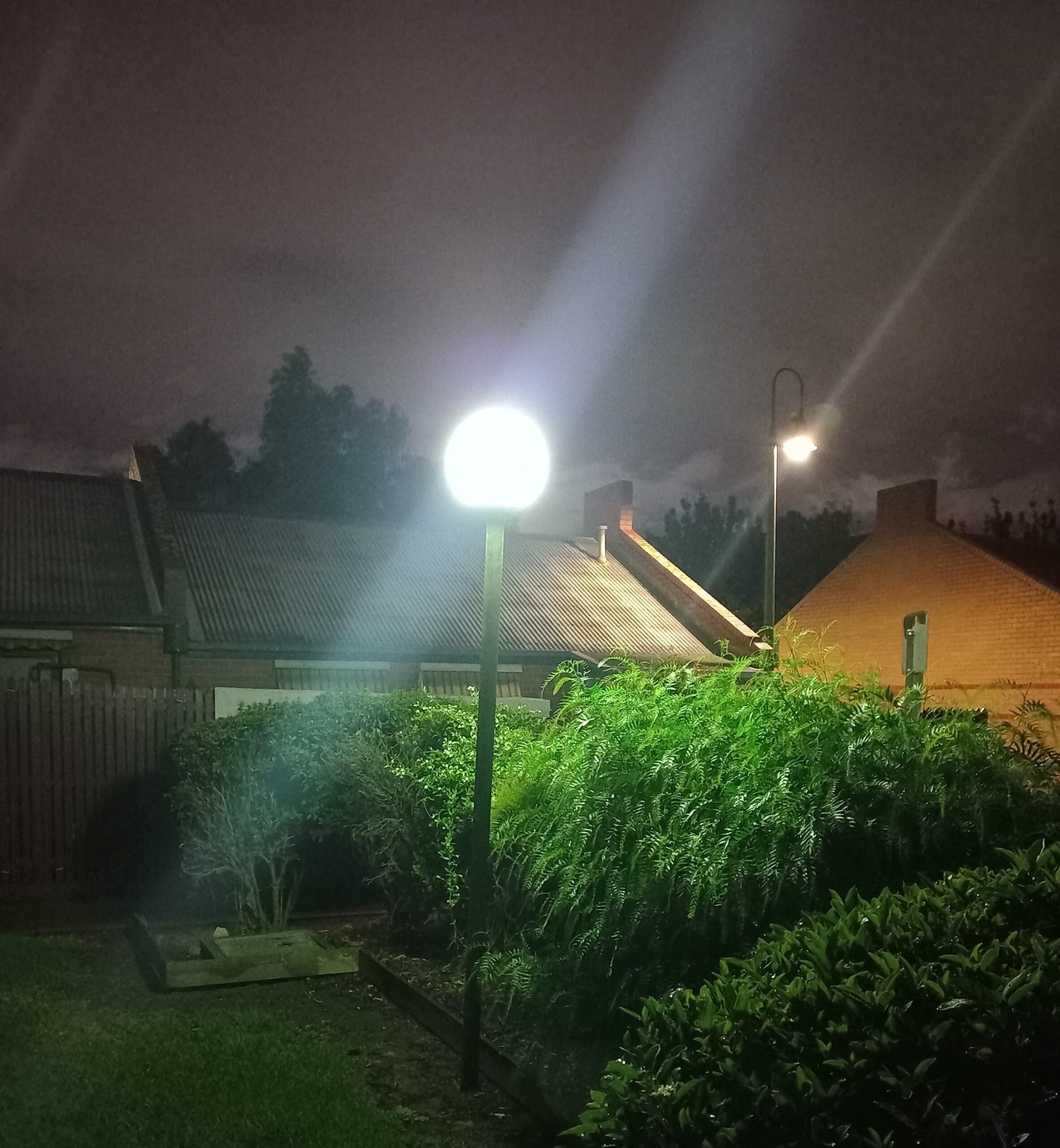
Light pollution is a growing issue around the world. It is increasing globally by around 5% each year, associated with expanding road networks. Skyglow, the atmospheric scattering of artificial light at night (ALAN), is far-reaching, and affects 25% of the earth’s land area, and 80% of the human population.
Up until the early 20th century the normal experience around the world on a night when the moon was hidden behind thick cloud was a darker sky compared to the sky on a clear night.
Now most people around the world experience much brighter skies on cloudy nights compared to clear nights due to high levels of ALAN reflected off the clouds. On these nights, the sky can be more than ten times brighter than a natural night sky.
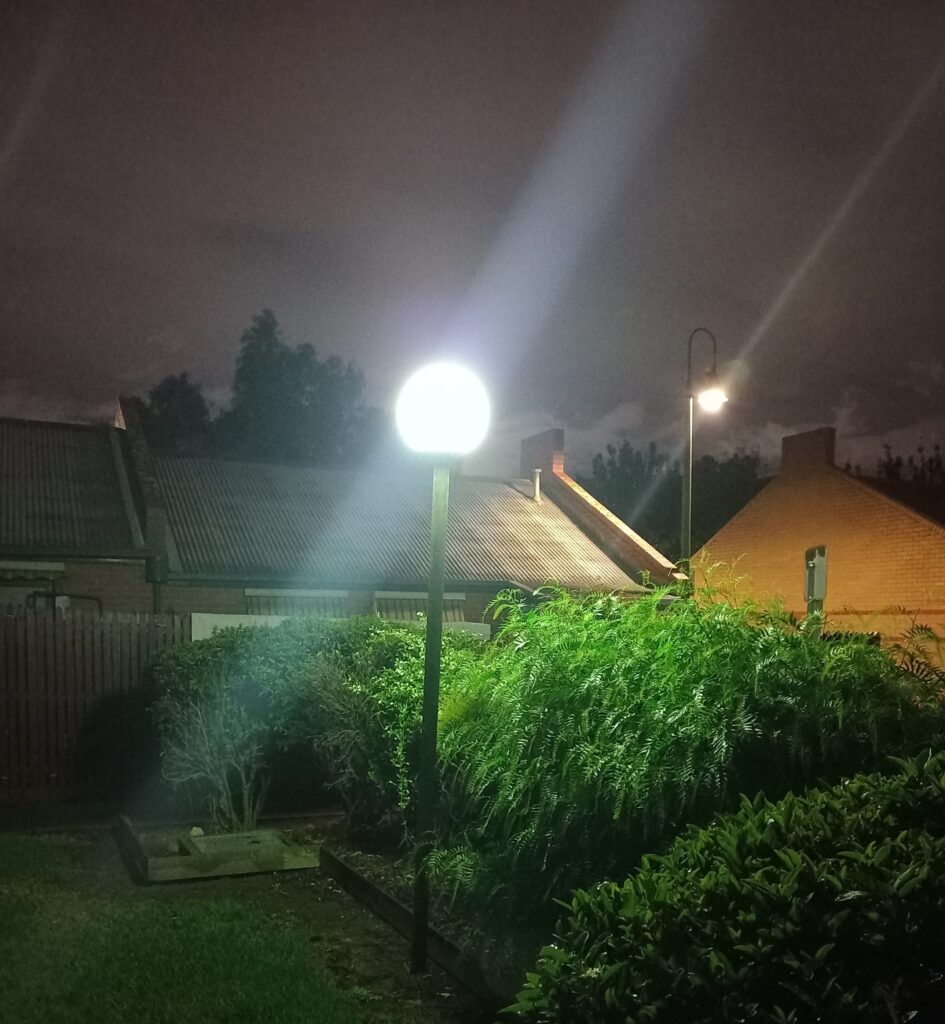
Light plays a crucial role in nature. Most species (including humans) have biological rhythms that are regulated by the daily, lunar, and seasonal cycles of light. As well, insects perceive polarised light, which they use for orientation and navigation.
Many insect species are being significantly impacted by light pollution, which is contributing to global insect declines. As light pollution disturbs the visual perception and various biological rhythms of insects, it affects a range of behaviours, including orientation, navigation, dispersal, mating, sleep, diapause induction, and seasonal emergence. Countless insects die from exhaustion or predation after getting trapped in artificial light.
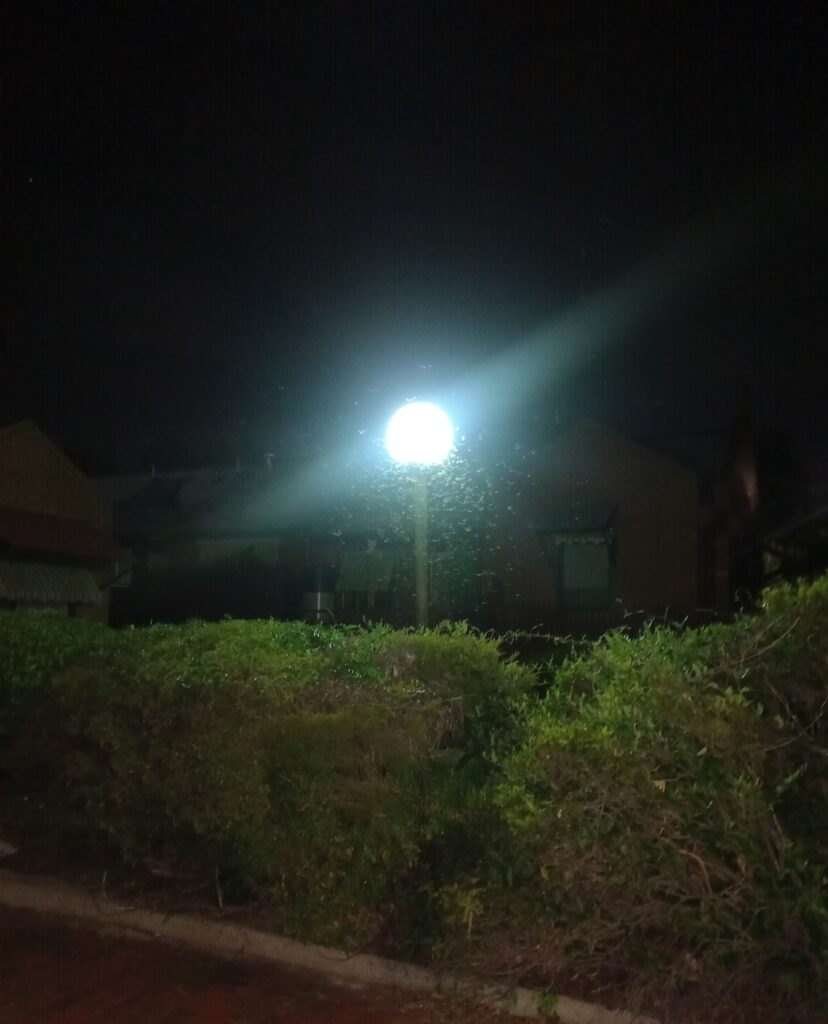
Here are some ways we can work together to reduce light pollution, and support insects:
- Turn your outdoor lights on only when needed. Avoid over-illumination; floodlights are particularly bad for insects.
- Draw your curtains and blinds in the evening to reduce light spill from indoor lights.
- Grow leafy indigenous plants to screen nearby light sources and create insect habitat.
- Work with local council and state government to improve the quality of lighting and insect habitat in our public spaces.
Leave a Reply